
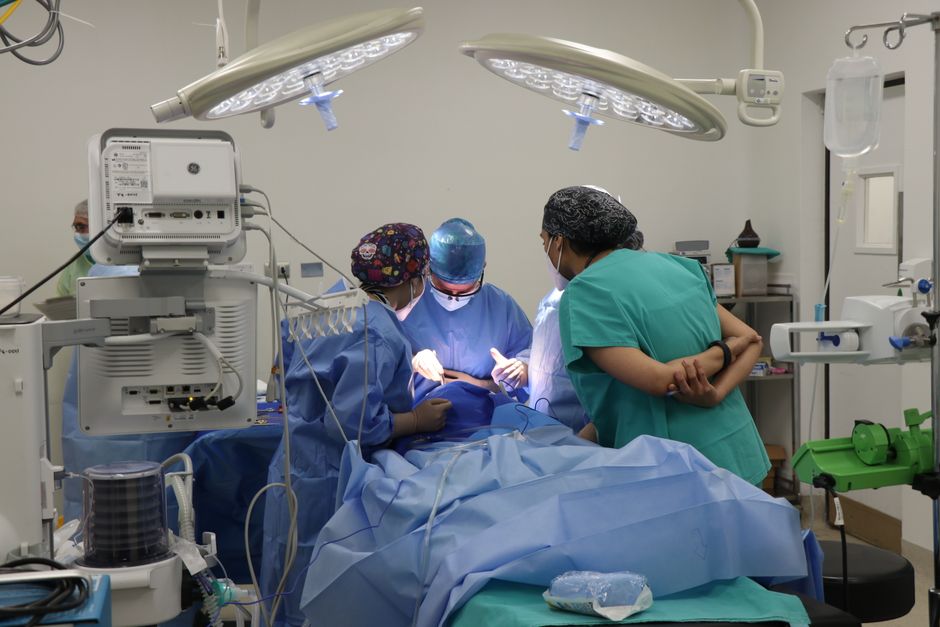
It's the first question almost every patient asks, and it deserves a direct answer: yes, medical tourism can be very safe — but only with the right partners, and only if you ask the right questions before you book anything.
Accreditation is the baseline, not the whole answer
JCI (Joint Commission International) accreditation means a hospital has passed the same patient-safety standards used to evaluate US hospitals. It's a strong signal — but it tells you about the hospital, not the individual surgeon holding the scalpel.
What we actually check before a doctor joins our network
- Verified medical credentials and board certification in their specialty
- Documented case volume and outcomes history
- English fluency confirmed through a direct video consultation
- In-person facility visit by our team — we don't sign partners sight unseen
- Clear complication and revision policy in writing
What happens if something goes wrong
Ask any provider this directly before you book: what's the protocol if the surgeon advises against your procedure after in-person examination, or if a complication arises? At HealVoyage, that means a full refund of treatment amounts paid if the doctor advises against proceeding, plus in-country recovery monitoring and video follow-ups after you're home.
Questions worth asking any agency, including us
Have you personally visited the facility? Can I see verified credentials, not just a translated certificate? What happens if I need urgent care after I've flown home? A trustworthy agency will answer all three without hesitation.